
TL;DR
Finding the right drug rehab in West Palm Beach means matching your needs to the right level of care — detox, residential, PHP, or outpatient. In this guide, you will learn how each program works, what to expect on your first day, how to choose a center you can trust, and why West Palm Beach has become a leading destination for recovery.
Reaching out for help is rarely easy, yet it may be the most important step you ever take. If you are searching for drug rehab in West Palm Beach, you are already moving in the right direction. Fortunately, this stretch of South Florida offers a full spectrum of care, warm weather, and a recovery community that understands what you are going through. Below, we will walk through your options so the path forward feels a little clearer.
Why Choose Drug Rehab in West Palm Beach?
West Palm Beach has long been considered a hub for addiction treatment, and for good reason. The climate stays warm year-round, which makes it easier to focus on healing rather than harsh winters. Moreover, the region is home to a dense network of accredited facilities, experienced clinicians, and established sober communities. As a result, choosing drug rehab in West Palm Beach often means access to a full continuum of care in one place.
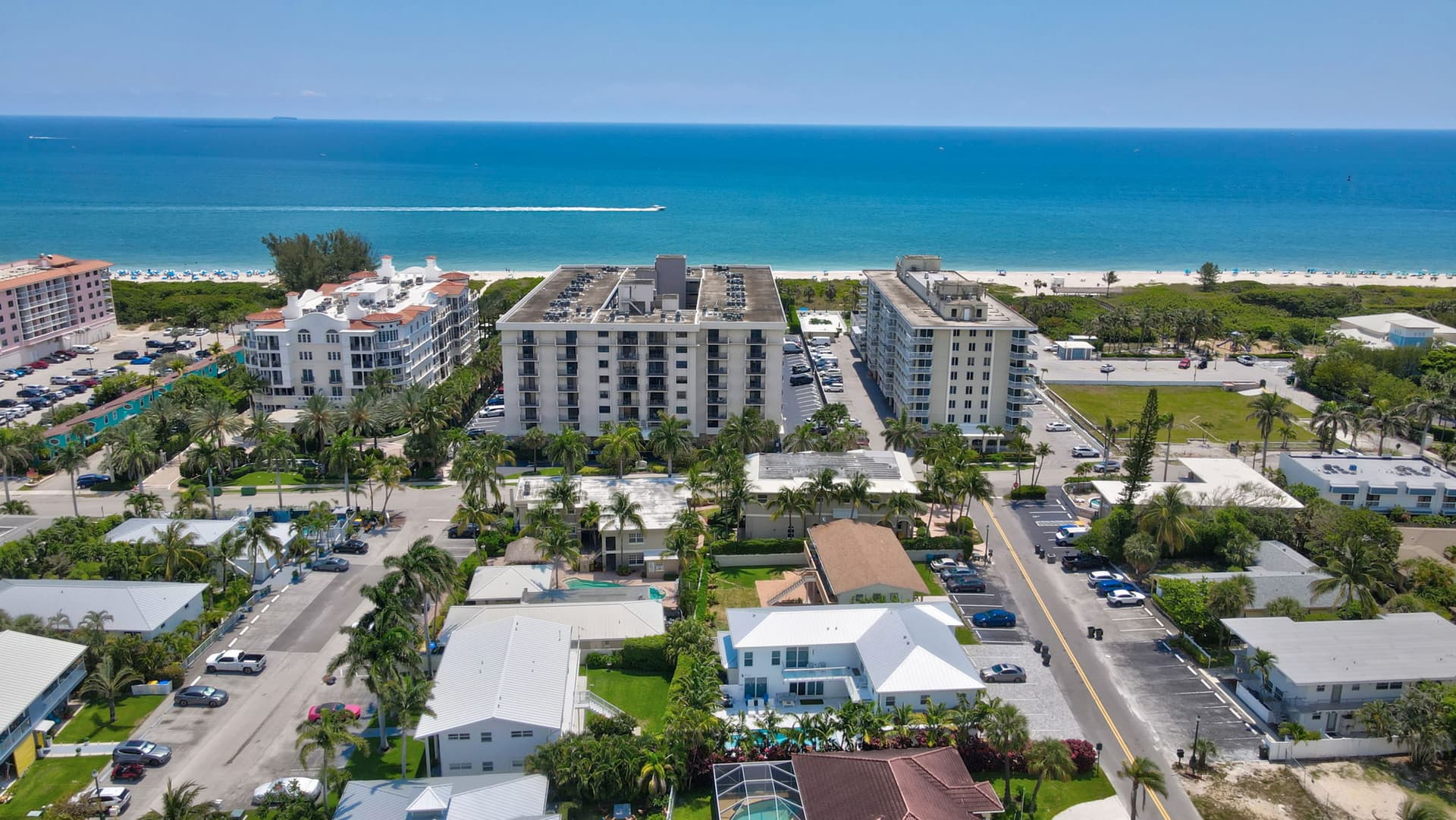
The serene, coastal setting matters, too. Recovery is demanding work, and a calm environment can make the process feel more manageable.
Understanding the Levels of Care
No single program fits everyone. Instead, clinicians use nationally recognized ASAM Criteria to match you with the least restrictive level of care that will still be effective [3]. When you begin drug rehab in West Palm Beach, your team will recommend a starting point based on your history, health, and home environment.
Medical Detox: The First Step
For many people, drug rehab in West Palm Beach begins with medically supervised detox. During this stage, licensed staff monitor your vital signs around the clock and manage withdrawal symptoms as they arise [1]. Because the first 24 to 72 hours are typically the most uncomfortable, professional supervision is essential. Attempting to detox alone at home can be dangerous, and in some cases life-threatening.
Residential and Inpatient Treatment
After detox, residential care offers a structured, live-in environment away from everyday triggers. Throughout the day, you will participate in individual therapy, group sessions, and skill-building activities. This immersive approach helps you focus entirely on recovery. Consequently, residential programs tend to suit those with more severe addiction or an unstable home environment.
Outpatient Options: PHP, IOP, and OP
Not everyone requires round-the-clock care. For that reason, drug rehab in West Palm Beach also includes flexible outpatient programs. Partial hospitalization (PHP) delivers intensive, full-day treatment while you live at home or in sober living. Intensive outpatient (IOP) steps that down further, allowing you to keep working or caring for family. Finally, standard outpatient supports long-term relapse prevention as you rebuild your routine.
Treating Co-Occurring Disorders
Addiction rarely travels alone. In fact, many people also live with anxiety, depression, or trauma. Therefore, quality drug rehab in West Palm Beach should include dual diagnosis care that treats both conditions together [2]. Addressing mental health alongside substance use gives you a far stronger foundation for lasting recovery.
What Substances Are Treated?
Comprehensive programs treat a wide range of dependencies. Whether the concern is alcohol, opioids, fentanyl, or prescription drugs, treatment is tailored to the substance and the person. This individualized approach matters, because no two recovery journeys look exactly alike.
How to Choose the Right Rehab
With so many options, choosing can feel overwhelming. Still, a few markers separate strong programs from the rest. Look for the following when comparing your choices.
Above all, trust how a facility makes you feel during that first conversation. Compassion and clarity are good signs.
- Accreditation from the Joint Commission or CARF
- State licensing and qualified, credentialed clinical staff
- A full continuum of care, from detox through aftercare
- Evidence-based therapies such as CBT and DBT
- Clear insurance verification and transparent costs
Paying for Treatment
Cost should never be the reason you delay getting help. Most West Palm Beach centers work with major insurance plans, and many offer free, confidential benefit checks [1]. Additionally, payment plans and financing options are often available. A quick call to verify coverage can remove much of the uncertainty.
Recovery Starts at Seaside Wellness
You do not have to figure this out alone. At Seaside Wellness, our West Palm Beach location specializes in medical detox, substance abuse inpatient rehabilitation, and mental health inpatient stabilization. Other levels of care, such as partial hospitalization (PHP) and intensive outpatient (IOP), are available through our affiliated facilities within the same treatment network, so you have access to a full continuum of care. Because we treat the whole person, we address mental health and substance use together in a calm, coastal setting built for healing. If you are ready to take that first step, please contact us today — a healthier, freer chapter is within reach.
Frequently Asked Questions
1. How long does drug rehab in West Palm Beach last? It varies by need. Detox usually runs 3–7 days, while residential programs often last 30 to 90 days. Outpatient care can continue for several months, depending on your progress.
2. Does insurance cover drug rehab in West Palm Beach? In most cases, yes. Many centers are in-network with major insurers and offer free, confidential verification so you know your coverage before starting.
3. Should I choose inpatient or outpatient treatment? That depends on the severity of your addiction, your home environment, and your responsibilities. A professional assessment can recommend the safest starting point.
4. What happens after I finish rehab? Aftercare keeps recovery on track. This may include outpatient therapy, sober living, support groups, and relapse-prevention planning.
5. Do I need to detox before entering rehab? Often, yes. If you are physically dependent on a substance, medical detox is usually the safe first step before therapy begins.
Sources
- Substance Abuse and Mental Health Services Administration (SAMHSA). Find Treatment. https://www.samhsa.gov/find-help/national-helpline
- National Institute on Drug Abuse. Treatment and Recovery. https://nida.nih.gov/publications/drugs-brains-behavior-science-of-addiction/treatment-recovery
- American Society of Addiction Medicine (ASAM). The ASAM Criteria. https://www.asam.org/asam-criteria
- MedlinePlus. Substance Use Disorder. https://medlineplus.gov/substanceusedisorder.html
- National Institute on Drug Abuse. Types of Treatment Programs. https://nida.nih.gov/publications/principles-drug-addiction-treatment-research-based-guide-third-edition/types-treatment-programs
- SAMHSA. Behavioral Health Treatment Services Locator. https://findtreatment.gov/