
Trauma can leave lasting effects that continue long after a difficult experience has ended.
For some individuals, those effects develop into Post-Traumatic Stress Disorder (PTSD), a mental health condition that can impact emotions, relationships, physical health, and everyday functioning. While many people associate PTSD with military combat, trauma can result from a wide range of experiences, including accidents, abuse, violence, natural disasters, medical emergencies, and other highly stressful events.
Understanding how PTSD affects daily life can help individuals recognize symptoms earlier and seek the support needed to begin healing.
What Is PTSD?
PTSD is a mental health condition that can develop after experiencing or witnessing a traumatic event.
While everyone responds to trauma differently, some individuals continue experiencing symptoms long after the event has passed. These symptoms can interfere with work, relationships, sleep, emotional well-being, and overall quality of life. Seaside Wellness provides trauma-informed treatment designed to address both the psychological and physiological effects of trauma through personalized care plans.
PTSD Often Affects More Than Emotions
Many people think PTSD only involves painful memories or flashbacks.
In reality, PTSD can impact several areas of daily life, including:
- Emotional health
- Physical well-being
- Relationships
- Work performance
- Sleep patterns
- Stress management
Because symptoms can affect multiple aspects of functioning, PTSD often requires comprehensive treatment and support.
Emotional Symptoms of PTSD
PTSD can create persistent emotional challenges that make everyday situations feel overwhelming.
Common emotional symptoms may include:
- Anxiety or constant worry
- Irritability
- Emotional numbness
- Feelings of guilt or shame
- Difficulty feeling safe
- Depression
Many individuals feel as though they are constantly "on edge" or waiting for something bad to happen, even when they are in a safe environment.
Sleep Problems Are Common
Sleep disturbances are one of the most common challenges associated with PTSD.
Individuals may experience:
- Difficulty falling asleep
- Frequent waking during the night
- Nightmares
- Restless sleep
- Chronic fatigue
Poor sleep can then worsen emotional regulation, concentration, and stress levels, making symptoms even harder to manage.
PTSD Can Affect Relationships
Trauma often impacts how individuals interact with others.
Some people living with PTSD may:
- Withdraw from family and friends
- Avoid social situations
- Struggle with trust
- Experience increased conflict in relationships
- Feel disconnected from loved ones
These challenges can create feelings of isolation and make it difficult to build or maintain healthy support systems.
Physical Symptoms Can Occur Too
PTSD is not only a mental health condition.
Many individuals also experience physical symptoms such as:
- Muscle tension
- Headaches
- Increased heart rate
- Digestive issues
- Fatigue
- Heightened startle responses
Because trauma affects both the mind and body, effective treatment often addresses both emotional and physical symptoms. Seaside Wellness utilizes trauma-informed treatment designed to support the full recovery process.
PTSD and Co-Occurring Conditions
Many individuals living with PTSD also experience other mental health concerns such as:
- Anxiety disorders
- Depression
- Substance use disorders
- Chronic stress
When multiple conditions occur together, symptoms can become more difficult to manage without professional support. Integrated treatment programs often provide stronger outcomes because they address all contributing factors simultaneously.
How Professional Treatment Can Help
PTSD is highly treatable with the right support and evidence-based therapies.
Treatment may include:
- Individual therapy
- Cognitive Behavioral Therapy (CBT)
- Trauma-informed counseling
- Eye Movement Desensitization and Reprocessing (EMDR)
- Group therapy
- Holistic wellness approaches
Seaside Wellness incorporates evidence-based therapies, trauma-informed care, CBT, DBT, EMDR, and holistic interventions as part of individualized mental health treatment plans.
Why a Structured Environment Can Be Beneficial
For some individuals, residential mental health treatment provides a level of support that outpatient care may not offer.
Benefits may include:
- 24-hour clinical support
- Daily therapeutic programming
- Reduced exposure to outside stressors
- Consistent structure and accountability
- A safe environment focused on healing
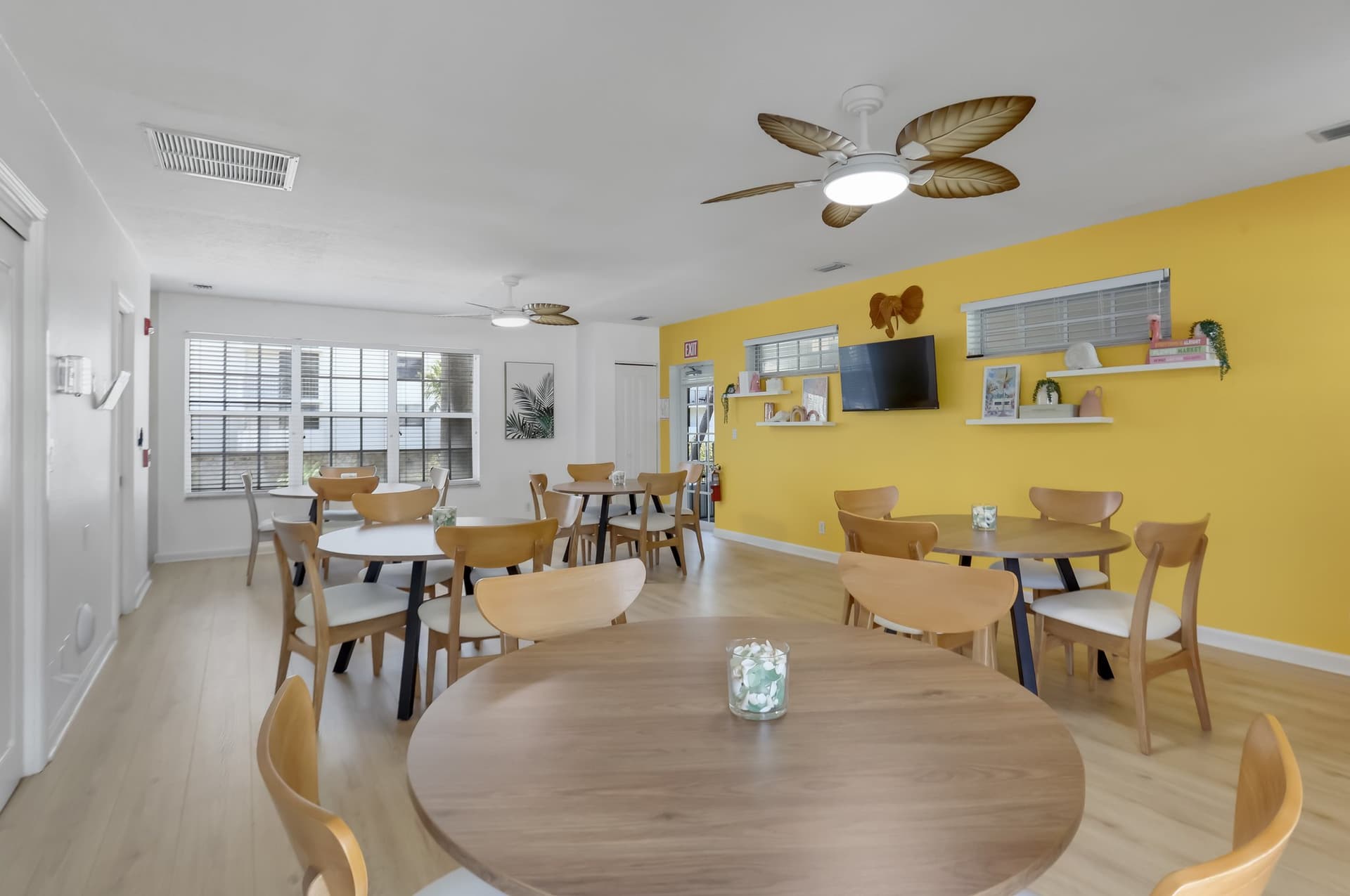
Seaside Wellness offers residential mental health treatment in a private West Palm Beach setting designed to help individuals focus fully on recovery and emotional stabilization.
Healing Takes Time
Recovery from trauma is not about forgetting what happened.
Instead, treatment helps individuals:
- Process traumatic experiences
- Develop healthier coping skills
- Improve emotional regulation
- Rebuild confidence and stability
With the right support system, many individuals experience significant improvements in their symptoms and quality of life.
Taking the First Step Toward Healing
PTSD can affect every area of life, but help is available.
Professional treatment can provide the tools, support, and guidance needed to move forward and regain a sense of safety, stability, and emotional wellness.